Blog
How to Choose Automatic Powder Dissolving & Dosing Machines? TNW Fully Automatic Dosing Units Eliminate Manual Chemical Mixing Troubles
How to Choose Automatic Powder Dissolving & Dosing Machines? TNW Fully Automatic Dosing Units Eliminate Manual Chemical Mixing Troubles
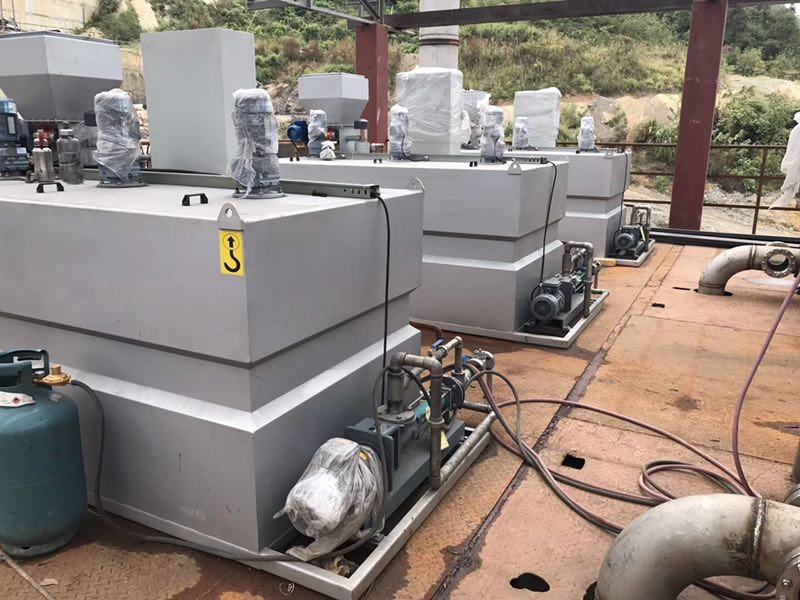
To address industry pain points of low precision, instability and high costs from manual mixing, TNW Co., Ltd independently develops automatic powder dissolving and dosing machines adopting a three-chamber stepped dissolving structure. The integrated system realizes automatic powder feeding, atomized pre-dissolution, chemical curing, liquid storage buffer and precise dosing in one unit. Compatible with most sewage and sludge treatment conditions, it delivers stable operation with less labor and chemical consumption, becoming the top pick for renovations of outdated manual mixing equipment and new water treatment projects.

1. Three-Chamber Stepped Dissolving Structure Eliminates Powder Caking & Incomplete Dissolution
Sealed silo with atomized pre-dissolution feeding
Equipped with a closed powder silo and variable-frequency feeding system, powder gets wetted by atomized water before entering the tank to prevent dry agglomeration. A built-in arch-breaking vibrator ensures smooth feeding even in humid weather without dust, keeping dosing rooms clean.
Graded stirring & curing to maximize chemical activity
The first tank rapidly disperses powder; the second tank conducts low-speed curing to fully unfold PAM polymer chains without shear damage to flocculation performance. Only fully cured qualified liquid overflows into the storage tank for dosing, avoiding poor flocculation and high chemical waste from under-cured solution and boosting chemical utilization by 20%–30%.
Automatic liquid level linkage for all-day automatic chemical preparation
An intelligent liquid level control system auto-starts dissolving at low liquid levels and shuts down at full capacity, enabling unattended continuous liquid supply day and night. It resolves issues of interrupted dosing, equipment shutdowns and fluctuating effluent caused by lack of night-shift mixing staff.
2. Fully Automatic Intelligent Operation Adapts to Fluctuating Water Quality & Reduces Maintenance Burden
Automatically adjusts dosing volume according to inlet flow and sludge concentration data;
Synchronously operates with screw presses, DAF units and sedimentation tanks;
Multi-alarm protection for chemical shortage, water cut-off, overload and low liquid level with auto shutdown for enhanced equipment safety.
The whole unit is an integrated skid with pre-installed pipelines, pumps and electrical cabinets calibrated at the factory. Only water and power connection is required for startup without complicated civil works, making it ideal for old sewage station upgrades.

3. Customizable Materials for Complex Wastewater Conditions Across Industries
Economical anti-corrosion PP version: Suitable for neutral municipal and food wastewater with regular corrosion resistance and cost advantages.
Standard 304 stainless steel version: Mainstream universal option for printing, sand washing and machining wastewater with robust durability and long service life.
Premium 316L anti-corrosion version: Designed for chemical, electroplating, pickling and coastal high-salinity corrosive wastewater with superior acid, alkali and chloride resistance for long-term heavy-duty operation.
4. Wide Compatibility with All Water Treatment Processes, Higher Cost-Efficiency as Complete Sets
Flocculation dosing for municipal and township sewage stations, PAM addition for sludge dewatering;
Oil and suspended solid flocculation in food, slaughter and prefabricated food wastewater;
Coagulation sedimentation and heavy metal capture dosing for printing, papermaking and chemical wastewater;
Dosing for sand washing mud and river dredging sludge dewatering;
Scale inhibition and disinfection powder addition for factory circulating water and reclaimed water reuse systems.
5. Direct Supply from Original Manufacturer Without Middlemen, Reliable After-Sales Service
Transparent quotations without markup from intermediaries with clear specifications;
Free lab sludge/water sample testing and customized model & chemical ratio recommendations;
Nationwide on-site installation, commissioning and technical training;
Full warranty for core electrical controls, motors and pumps, with genuine wear parts supplied long-term at factory cost.
Practical Selection Tips to Avoid Procurement Pitfalls
Three-chamber curing models are mandatory for long-term PAM polymer dosing; simplified single/dual-chamber units deliver poor chemical efficiency and high reagent waste.
Stainless steel units are preferred for corrosive wastewater and coastal plants to prevent aging and leakage of PP material.
Fully automatic PLC linked versions are recommended for 24-hour continuous operation to cut labor costs and boost stability.
Purchase supporting screw presses and DAF units from the same manufacturer for stronger equipment linkage compatibility.
Conclusion